
Psychology University in Pakistan: Your Path to Studying Psychology at BNU
Sep, 23 2026

Pakistan has 0.19 psychiatrists for every 100,000 people, one of the lowest ratios anywhere. An estimated 24 million people in the country need psychiatric support, and mental disorders account for more than 4% of Pakistan's total disease burden, according to WHO's regional office for Pakistan.
That gap doesn't close on its own. It closes when more people train as psychologists, and when the university they choose gives them real clinical exposure, not just lecture halls. The program you pick shapes your research skills, your practical training, and how ready you are for a real caseload.
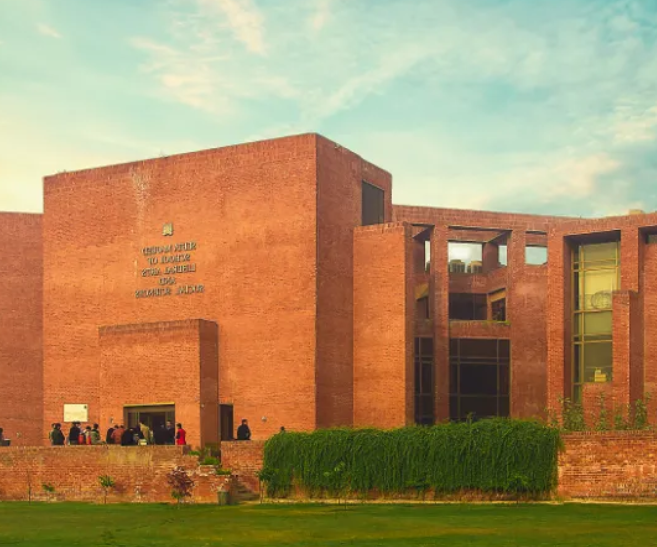
Beaconhouse National University (BNU) offers psychology education in Pakistan through our Institute of Psychology. We offer undergraduate and postgraduate programs for students who want to study psychology academically and build careers in the field.
This guide covers our psychology programs, admission requirements, fees, and available facilities.
Choosing a Psychology University in Pakistan: What Actually Matters
A psychology degree in Pakistan isn't one standard thing. Programs differ in what they cover and how they prepare you for work after graduation. Before you commit to a university, look at a few specifics:
- Programs and curriculum. Check which areas of psychology the university teaches: clinical, counseling, industrial and organizational, educational, or forensic. A broad curriculum gives you more room to specialize later.
- Research opportunities. Ask whether undergraduates get involved in research projects, not just coursework.
- Supervised training. Clinical and counseling programs should include hands-on placements, not only classroom theory. Ask how many hours of supervised practice the program requires and where placements happen.
- Faculty background. Look at whether faculty members practice clinically, publish research, or both. A professor who only teaches from textbooks gives you a different education than one who also sees clients.
- Labs and resources. Psychology programs benefit from dedicated labs for experimental work, psychometric testing, and social psychology research.
- Institutional collaborations. Programs that partner with hospitals, schools, or NGOs give students exposure to real clinical and community settings.
- Admission requirements, fees, and scholarships. These vary widely by university and program level. Confirm the current academic year's figures directly with the university before applying, since fees and admission criteria change annually.
- Career pathways. Ask what kind of work past graduates do: clinical practice, school counseling, HR and organizational roles, or research.
With those criteria in mind, here's how BNU's Institute of Psychology stacks up on paper.
Inside BNU's Institute of Psychology
The BNU Institute of Psychology was established in 2004. Its stated mission covers three things: first-rate instruction and practical training across areas of psychology, interdisciplinary research aimed at social, educational, industrial, and clinical problems, and building problem-solving skills in students.
Programs at the Institute run in collaboration with psychiatric units at teaching hospitals, educational institutions, and business organizations. Each student is assigned a faculty mentor for the duration of their degree. The Institute also holds workshops, seminars, and panel discussions led by practicing professionals throughout the academic year.
Psychology Programs at BNU: From Applied Study to Clinical Practice
BS in Applied Psychology
The BS in Applied Psychology at BNU runs for 4 years across 8 semesters, totaling 140 credit hours.
The program combines theoretical coursework with research training and professional practice, using both qualitative and quantitative research methods. Students choose a specialization track in one of three areas: Clinical Psychology, Industrial and Organizational Psychology, or Educational Psychology.
BNU runs the program in partnership with hospitals, academic institutions, and industry organizations, which shapes the practical component of the degree.
MS Clinical and Counseling Psychology
The MS Clinical and Counseling Psychology at BNU is a 2-year, 4-semester program totaling 45 credit hours. It's open to graduates holding a BS (Hons), a 4-year degree in Psychology, or an MA/MSc (2-year) in Psychology.
The curriculum pairs academic training with supervised clinical placements in psychological assessment and intervention. Students choose a specialization from five tracks: Rehabilitation for Substance Abuse, Neurodevelopmental Disorders, School Psychology, Family and Marital Counseling, or Adolescent Mental Health. The degree requires 45 credit hours, a minimum CGPA of 2.5, and a research thesis.
Post Graduate Certificate Courses
BNU's Institute of Psychology also lists Post Graduate Certificate Courses among its programs. At the time of writing, BNU's official page for this program doesn't publish specific duration, credit hours, or eligibility details. Prospective applicants should check the BNU Psychology program finder directly for current specifics before applying.
What You'll Study in BNU's Psychology Programs
BNU's course catalog for these programs touches on several core areas of psychology.
- Psychopathology: Featured in both programs with introductory coverage at the BS level, and separate child and adult psychopathology courses in the MS. This is the study of abnormal behavior and mental disorders.
- Developmental Psychology: Explores how people change and grow across the lifespan, from childhood through adulthood.
- Psychometrics: Covers the design and interpretation of psychological tests, a skill central to clinical assessment.
- Social Cognition and Personality: Examines how people process social information and how individual personality traits form and function.
- Counseling Psychology: Appears as a standalone BS course and runs through the MS program via dedicated counseling and intervention modules.
- Ethics in Psychology and Professional and Ethical Issues: Addresses the standards that govern clinical and research practice.
- Statistics in Psychology and Applied Statistics: Build the quantitative skills students need for research and psychometric work.
- Organizational Behavior: Directly feeds into the Industrial and Organizational Psychology specialization track.
- Structured Clinical Training (MS): The MS program adds structured clinical training components, including supervised placements in child and adult clinical settings and community mental health work, tied to each student's chosen specialization.
Applying to BNU's Psychology Programs
BNU's admissions criteria page lists separate requirements for each program.
BS in Applied Psychology: Candidates need an F.A/FSc or equivalent with 50% marks, eight pass subjects at O level, and three pass subjects at A level (or an HSD or IB equivalent). Admission decisions factor in academic record, an admission test, and a departmental interview.
MS Clinical and Counseling Psychology: Candidates need a BS (Hons) or MA/MSc in Psychology from an HEC-recognized university, with a minimum CGPA of 2.5 or 50% marks in their last degree. A GAT score is mandatory. Admission decisions also factor in the admission test and interview.
BNU publishes its admission test dates, interview dates, and application deadlines on its admissions schedule page for each intake. These change every cycle, so check the current schedule directly before applying rather than relying on dates from a previous intake.
Understanding BNU's Psychology Fees and Study Costs
The figures below reflect BNU's published fee structure for the 2026–27 academic year, which covers the Institute of Psychology under its general schools category. Fees change annually with approval from BNU's Board of Governors, so confirm current figures on BNU's Fee Structure & Policy page before applying.
- Tuition: PKR 321,000 per semester
- One-time charges at admission: Application processing fee of PKR 4,000, admission fee of PKR 30,000, and a refundable security deposit of PKR 35,000
- Per-semester charges: Medical insurance at PKR 2,000, and activity charges at PKR 11,000
- Hostel (optional): Refundable one-time security deposit of PKR 25,000, plus PKR 132,000 per semester for on-campus housing or PKR 106,000 per semester for BNU-arranged housing outside campus
- Optional room appliances (per semester): Refrigerator at PKR 10,200, electric heater at PKR 18,000, and air conditioner at PKR 54,000
Scholarships and Financial Support for BNU Students
BNU states it has disbursed over PKR 1.1 billion in scholarships since 2003, reaching about 40% of its student body, according to the university's own figures.
- VC Scholarship: Covers 100% of tuition. Applicants need 3 A* grades at A Level or 90% or above in Intermediate. A minimum 3.2 GPA is required to retain the scholarship.
- Dean’s Scholarship: Offers up to 100% tuition coverage. This need-cum-merit scholarship considers academic performance, admission test results, and interview performance.
- Need-Based Scholarship: Covers up to 50% of tuition fees. Students must maintain a 2.65 CGPA for renewal each semester.
- Merit-Based Scholarship: Covers up to 75% of tuition fees. Undergraduate eligibility is based on FA/FSc marks or A Level grades, while graduate eligibility is based on CGPA.
- Transgender Inclusion Scholarship: Supports eligible transgender students pursuing their education at BNU.
- Sports Scholarship: Available to students with competitive achievements in sports.
- BNU Institutional Support: Provides support to students from partner public-sector, non-profit, and trust schools.
For MS applicants: Graduate applicants can apply for the Merit-Based Scholarship and Need-Based Scholarship. The other scholarship categories are not listed as available to graduate applicants.
Eligible students may apply for these scholarships through BNU's Scholarships page, which also carries the university's current scholarship brochure and policy documents.
Psychology Labs and Learning Resources at BNU
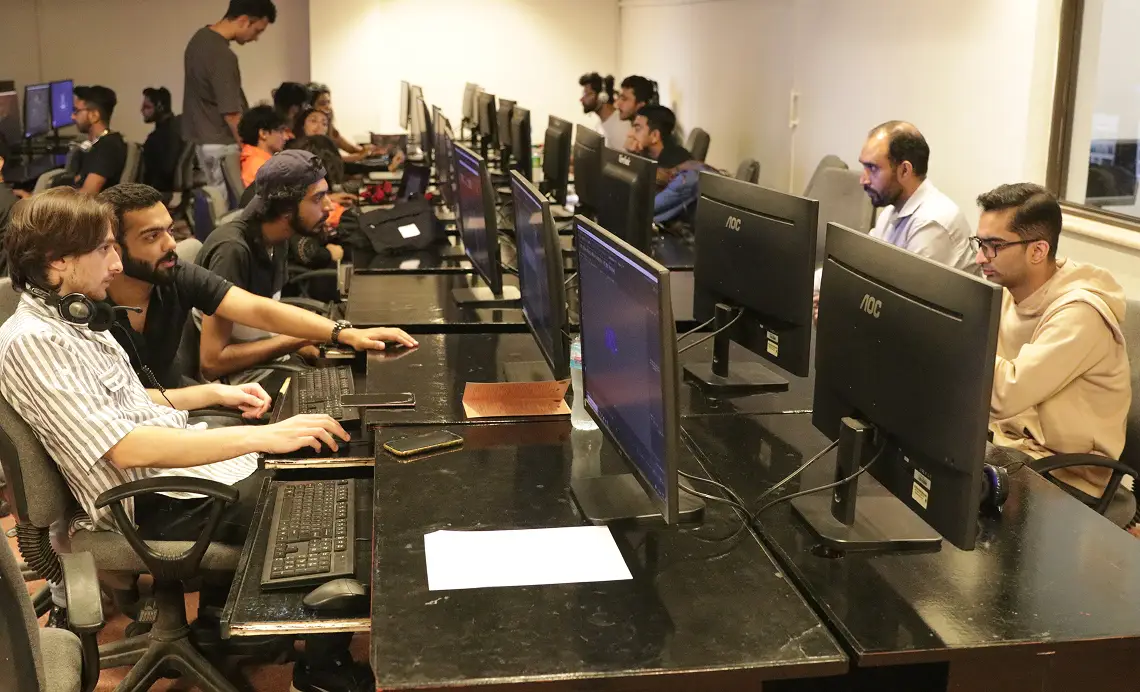
BNU's Institute of Psychology lists three dedicated labs on its official page: an Experimental Psychology Lab, a Social Psychology Lab, and a Psychometric Lab. These support the practical and research components built into both the BS and MS programs.
Career Opportunities for Psychology Graduates
A psychology degree from BNU can prepare graduates for opportunities across clinical, educational, organizational, community, and research settings. Career pathways may include:
- Clinical and Hospital Settings: The BS Psychology program offers a Clinical Psychology specialization, while the MS program includes clinical placements.
- Schools and Educational Institutions: Students can specialize in Educational Psychology at the BS level or pursue the School Psychology track in the MS program.
- Workplace and HR Roles: The Industrial and Organizational Psychology specialization in the BS program supports career paths related to workplaces, employee well-being, and human resources.
- Community Mental Health and Rehabilitation: MS students can pursue specialized tracks in Substance Abuse Rehabilitation, Neurodevelopmental Disorders, and Adolescent Mental Health.
- Family and Relationship Counseling: The MS program offers a Family and Marital Counseling track for students interested in this area.
- Academic Research: Graduates from either program can pursue research careers and further academic study in psychology.
BNU does not publish placement rates or salary data for these career paths, so this article does not estimate them. Clinical practice may also require licensing or professional registration under the relevant requirements in Pakistan, separate from completing a psychology degree.
FAQs
What Psychology programs does BNU offer?
BNU's Institute of Psychology currently lists three programs: BS in Applied Psychology, MS Clinical and Counseling Psychology, and Post Graduate Certificate Courses.
How long is the BS in Applied Psychology at BNU?
It runs for 4 years across 8 semesters, totaling 140 credit hours.
What is the duration of MS Clinical and Counseling Psychology at BNU?
It's a 2-year program across 4 semesters, totaling 45 credit hours.
What are the admission requirements for Psychology at BNU?
For the BS, you need FA/FSc or equivalent with 50% marks. For the MS, you need a BS (Hons) or MA/MSc in Psychology with at least 2.5 CGPA or 50% marks, plus a GAT score. Both programs require an admission test and interview.
Does BNU offer specialised areas within Applied Psychology?
Yes. BS students choose a specialization track in Clinical Psychology, Industrial and Organizational Psychology, or Educational Psychology.
What specialisations are available in the MS Clinical and Counseling Psychology program?
Five tracks: Rehabilitation for Substance Abuse, Neurodevelopmental Disorders, School Psychology, Family and Marital Counseling, and Adolescent Mental Health.
What Psychology labs are available at BNU?
An Experimental Psychology Lab, a Social Psychology Lab, and a Psychometric Lab.
What career pathways can Psychology graduates pursue?
BNU Psychology graduates can pursue careers in clinical and counseling practice, community mental health, education, research, and industrial or organizational psychology, depending on their specialization.