Architecture University in Pakistan: Why BNU is the Right Choice for a B.Arch Program

Architecture University in Pakistan: Why BNU is the Right Choice for a B.Arch Program

Aug, 25 2026

Architecture University in Pakistan: Why BNU is the Right Choice for a B.Arch Program

Pakistan's urban population has climbed to roughly 38% of the country's total, according to World Bank data built on the UN's World Urbanization Prospects. That's tens of millions of people added to Pakistani cities over the past two decades.

Cities built at that pace need architects who understand more than form and drawing. They need people who understand materials, structure and urban planning.

That's what a strong B.Arch program should teach. The real question for most students and parents is which university offers that kind of education and how to distinguish a strong program from an average one.

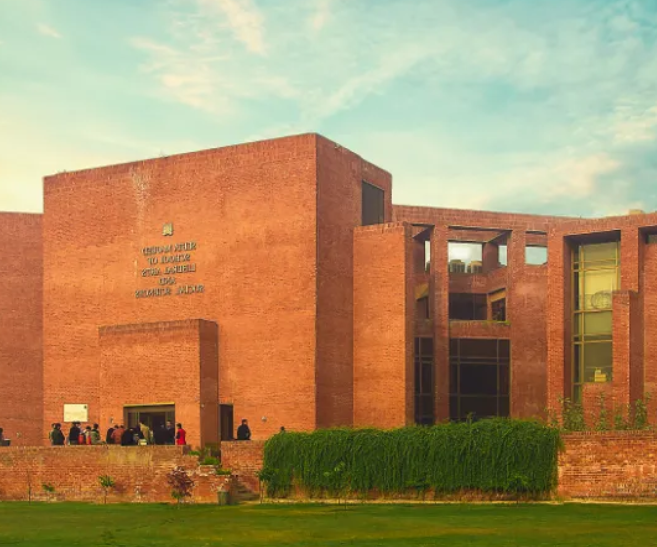
Among the architecture programs in Lahore, BNU's Bachelor of Architecture is offered through the Razia Hassan School of Architecture (RHSA). The program spans five years and 10 semesters, totaling 179 credit hours.

This guide explains what to look for when choosing an architecture university in Pakistan and examines how BNU's RHSA fits those criteria.

What to Look for in an Architecture University in Pakistan

Before choosing an architecture program, compare these key factors:

  • Accreditation: Check current PCATP accreditation for your batch.
  • Curriculum: Review the balance of design studios, technical subjects, and theory.
  • Design studios: Check studio hours, project progression, and practical work.
  • Technical skills: Look for structures, construction, materials, and building systems.
  • Digital tools: Check coverage of CAD, BIM, 3D modeling, and visualization.
  • Facilities: Review studios, workshops, fabrication labs, and model-making resources.
  • Faculty: Consider academic qualifications, professional practice, and research experience.
  • Industry exposure: Look for internships, guest lectures, and collaborations with architecture firms.
  • Research: Check research centers, faculty projects, and student research opportunities.
  • Student work: Review exhibitions, portfolios, and final-year thesis projects.
  • Interdisciplinary learning: Look for opportunities to work with urban planning, sustainability, and technology.
  • Financial support: Compare tuition fees, scholarships, and available financial aid.
  • Campus resources: Consider libraries, studios, computer labs, workshops, and student support services.
  • Location: Consider accessibility, cost of living, and proximity to architecture firms and industry.
  • Career support: Check whether the university provides career guidance, networking opportunities, and professional development.
  • Alumni network: Look at where graduates work and whether the university maintains an active alumni network.
  • Professional development: Check for workshops, competitions, conferences, and opportunities to present student work.

These criteria can help you evaluate any architecture program in Pakistan. The same checklist can then be applied to BNU's Razia Hassan School of Architecture (RHSA) to see how its Bachelor of Architecture program compares.

Bachelor of Architecture at BNU's Razia Hassan School of Architecture

RHSA currently offers two undergraduate programs: Bachelor of Architecture and Bachelor in Interior Design. The B.Arch is a 5-year, 10-semester degree with 179 credit hours.

The program develops architectural design skills across different scales, from individual client requirements to projects that respond to broader social needs. Students study architecture history, theory, and artistic expression alongside technical subjects that support collaboration with engineers and contractors.

What Makes RHSA Different as an Architecture School?

RHSA focuses on an interdisciplinary, design-based approach that connects architecture education with industry and community engagement. Its approach includes:

  • Interdisciplinary design: Students explore architecture through diverse design perspectives and related disciplines.
  • Industry and community engagement: The school actively connects students with practicing professionals and community leaders to provide real-world exposure.
  • Social innovation: The program leverages design to address pressing social and community challenges.

International Advisory Council

RHSA also has an International Advisory Council that supports:

  • B.Arch curriculum development
  • Integration of theory courses with design studios
  • Faculty development
  • Adoption of international architectural practices in the local context

The council includes architecture academics from US universities and practicing architects with international experience.

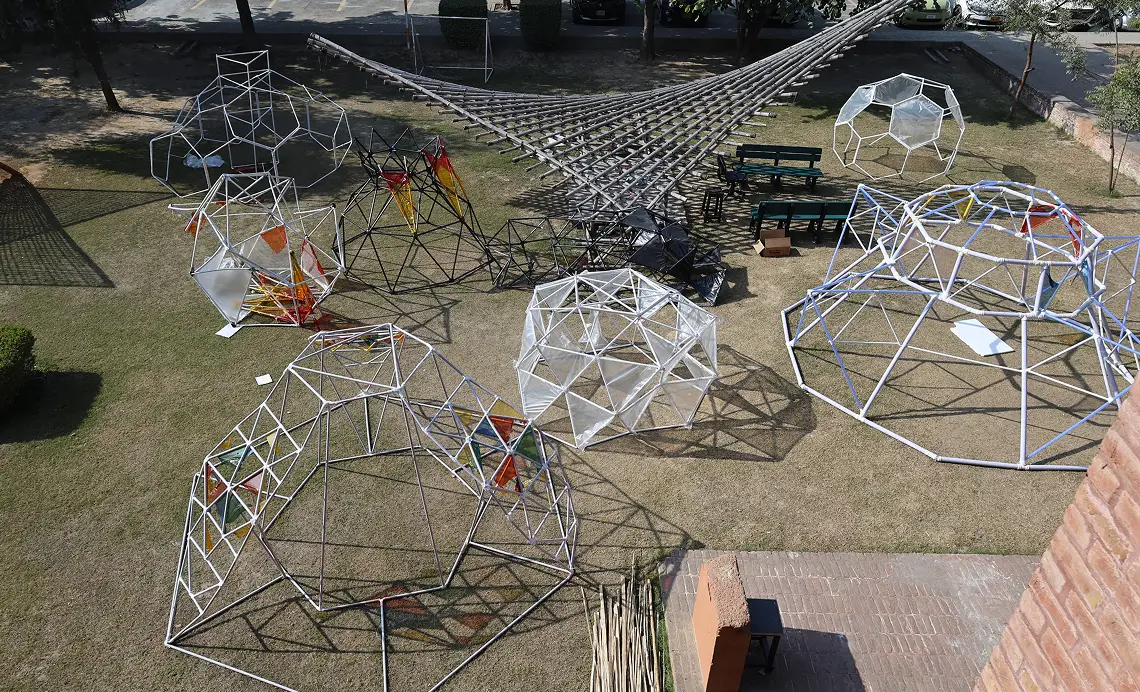
Architecture facilities and learning resources at BNU

Facilities shape how much hands-on work a student actually does. Here's what RHSA has confirmed on its official pages:

  • Wood and metal workshop
    Physical model-making is central to architecture education. A dedicated workshop lets students build furniture-scale and building-scale models by hand, which develops a different kind of spatial understanding than screen-based design work alone.
  • 3D printing lab
    3D printing supports rapid prototyping and detailed physical models for presentations. It lets students test complex geometries that would take much longer to build by hand.
  • Material library
    Architecture students need to understand how materials look, feel, and perform, not just how they appear in a rendering. A material library gives students direct access to samples they can compare and study.
  • Immersive room
    RHSA's immersive room is built for virtual reality visualizations and presentations, letting students walk through a design digitally before it's ever built.

Scholarships for Architecture Students at BNU

BNU has offered several scholarship categories to eligible students, including:

  • VC Scholarship: up to 100% tuition coverage for eligible applicants
  • Dean's Scholarship: up to 100% coverage, based on need and merit
  • Merit-Based Scholarship: up to 75% coverage
  • Need-Based Scholarship: 25% to 50% coverage
  • Sports Scholarship: 50% coverage for selected applicants
  • Transgender Inclusion Scholarship: 50% coverage for selected applicants
  • BNU Institutional Support: 25% coverage for eligible students from public-sector, nonprofit, and trust schools

BNU also lists scholarships tied to specific programs, including the NEST Scholarship for Arts & Culture and the Madanjeet Singh Art Scholarships for students from across South Asia.

Scholarship eligibility, deadlines, and available funding change from year to year. Check the current BNU scholarships page directly before applying, rather than relying on older published dates.

Career options after a Bachelor of Architecture

BNU lists a range of career paths connected to its B.Arch program, including:

  • Architect
  • Building type specialist (housing, schools, hospitals, airports, museums, and other public institutions)
  • Interior designer
  • Urban designer
  • Landscape designer
  • Environmentalist
  • Land development consultant
  • Building economist
  • Stage designer
  • Furniture designer
  • Virtual environments designer for film and video games
  • Restoration or conservation architect
  • Building energy consultant
  • Code consultant
  • Materials consultant
  • Construction manager
  • Architectural historian, critic, educator, or photographer

A B.Arch degree can prepare students for a range of architecture and design-related career paths, including those BNU lists for its program. It doesn't guarantee a job in any of them. Outcomes depend on a student's portfolio, internships, and the connections they build during the degree.

Is BNU a Good Option for Architecture in Pakistan?

BNU's Bachelor of Architecture offers a 5-year professional degree through RHSA, combining architectural history and theory with technical and construction subjects. RHSA backs this with architecture-specific facilities: workshops, a 3D printing lab, a material library, and an immersive room.

BNU may be worth considering if you're looking for:

  • A 5-year B.Arch degree with a defined semester structure
  • A design-focused architecture school with dedicated studio courses
  • Architecture-specific fabrication facilities on campus
  • Interdisciplinary learning across BNU's other schools
  • Scholarship options tied to merit, need, and other criteria
  • A Lahore-based campus
  • Regular exhibitions, lectures, and architecture-focused events

Whether it's the right fit depends on your own priorities, your PCATP accreditation check for the year you'd apply, and how the fee structure and scholarships work out for your situation.

FAQs

Which University Is Best for Architecture in Pakistan?

There is no single best university for every student. Compare PCATP accreditation, curriculum, faculty, facilities, location, fees, and scholarships based on your priorities. BNU's RHSA is one option to consider, with a 5-year, 179-credit B.Arch program and dedicated architecture facilities.

Which school offers architecture at BNU?

The Bachelor of Architecture runs through the Razia Hassan School of Architecture (RHSA).

Does BNU offer scholarships?

Yes. BNU lists several scholarship categories, including merit-based, need-based, VC, Dean's, sports, and other program-specific options. Eligibility and available funding vary by year, so check the current scholarships page before applying.

What facilities does RHSA have?

RHSA's confirmed facilities include a wood and metal workshop, a 3D printing lab, a material library, and an immersive room for virtual reality visualizations.

What should students check before applying to an architecture university?

Confirm PCATP accreditation for your intake year, review the curriculum and facilities, check faculty backgrounds, and compare fees and scholarship options against BNU's current fees and admissions criteria pages, or the equivalent pages for any other university you're considering.

Recent Posts

AI Degree in Lahore: What Makes BNU the Right Fit for AI Education
Aug, 27 2026

AI Degree in Lahore: What Makes BNU the Right Fit for AI Education

A practical guide to picking an AI degree in Lahore: curriculum, admission criteria, and career paths, using BNU's BS Artificial Intelligence as a reference.

Architecture University in Pakistan: Why BNU is the Right Choice for a B.Arch Program
Aug, 25 2026

Architecture University in Pakistan: Why BNU is the Right Choice for a B.Arch Program

Explore how to choose the best architecture university in Pakistan and learn about BNU RHSA's B.Arch program, facilities, scholarships, and careers.

How to Choose the Best Computer Science University in Pakistan: Curriculum, Fees & Career Paths
Aug, 25 2026

How to Choose the Best Computer Science University in Pakistan: Curriculum, Fees & Career Paths

See what to check before picking a computer science university in Pakistan, and how BNU's BS Computer Science program measures up on curriculum, cost & careers.

Top Software Engineering Universities in Pakistan
Jul, 21 2026

Top Software Engineering Universities in Pakistan

BNU, NUST, or FAST-NUCES? Check fees, admission criteria & scholarships to find the right software engineering university in Pakistan.

Best Liberal Arts Universities in Pakistan (2026 Guide)
Jul, 16 2026

Best Liberal Arts Universities in Pakistan (2026 Guide)

Explore the best liberal arts universities in Pakistan, compare programs, fees and scholarships & see why BNU leads the way in liberal arts education.

BNU Drug-Free Campus Initiative: Safe Campus Program
Jul, 16 2026

BNU Drug-Free Campus Initiative: Safe Campus Program

BNU launches Pakistan's first Drug-Free Safe Campus initiative, featuring the Substance Use Control Program & psychological first aid training for students.

What Makes BNU the Best University in Lahore - Facilities & Scholarships
Jun, 22 2026

What Makes BNU the Best University in Lahore - Facilities & Scholarships

Choosing a university is one of the biggest decisions you will make. And in Lahore, the options feel endless.

© 2026 BNU.
Powered bytossdown.com