Climate Coloniality Conference 2026
Reframing Environmental Crisis Through Global South Perspectives
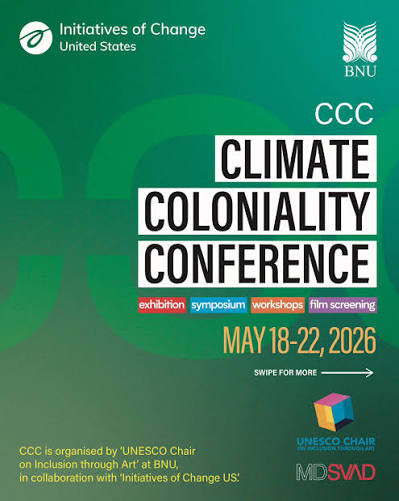
The School of Visual Arts and Design (SVAD) at Beaconhouse National University successfully concluded the Climate Coloniality Conference 2026, a landmark interdisciplinary gathering that brought together artists, academics, activists, policymakers, and community leaders to rethink the climate crisis through the lens of colonial history, inequality, and Global South perspectives.
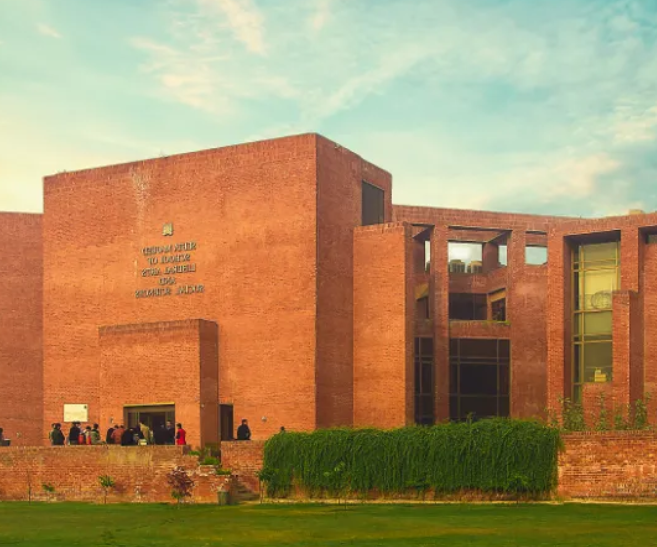
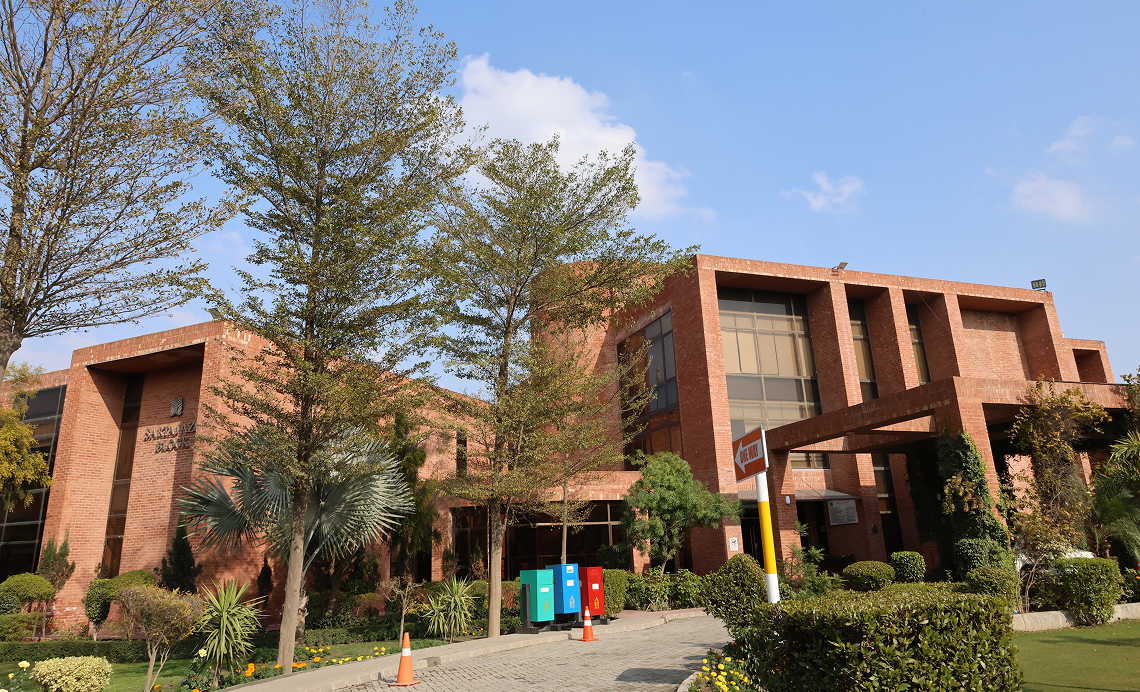
Held from May 18–22, 2026, at BNU's Tarogil Campus in Raiwind, Lahore, the conference was organised by the UNESCO Chair on Inclusion through Art, led by internationally acclaimed artist and Dean SVAD Rashid Rana, in collaboration with Initiatives of Change US.
The conference created a vital platform for examining how climate change cannot be understood solely as an environmental issue, but as a deeply political, historical, and cultural condition shaped by colonial systems of extraction, unequal development, and environmental injustice.
Reframing Climate Discourse Through the Global South
At the heart of the conference was a critical effort to reposition voices from the Global South as knowledge creators and agents of change rather than passive subjects of climate vulnerability. Through dialogue, artistic practice, and collaborative engagement, participants explored how local knowledge systems, cultural memory, and interdisciplinary thinking can contribute to more equitable and inclusive climate futures.
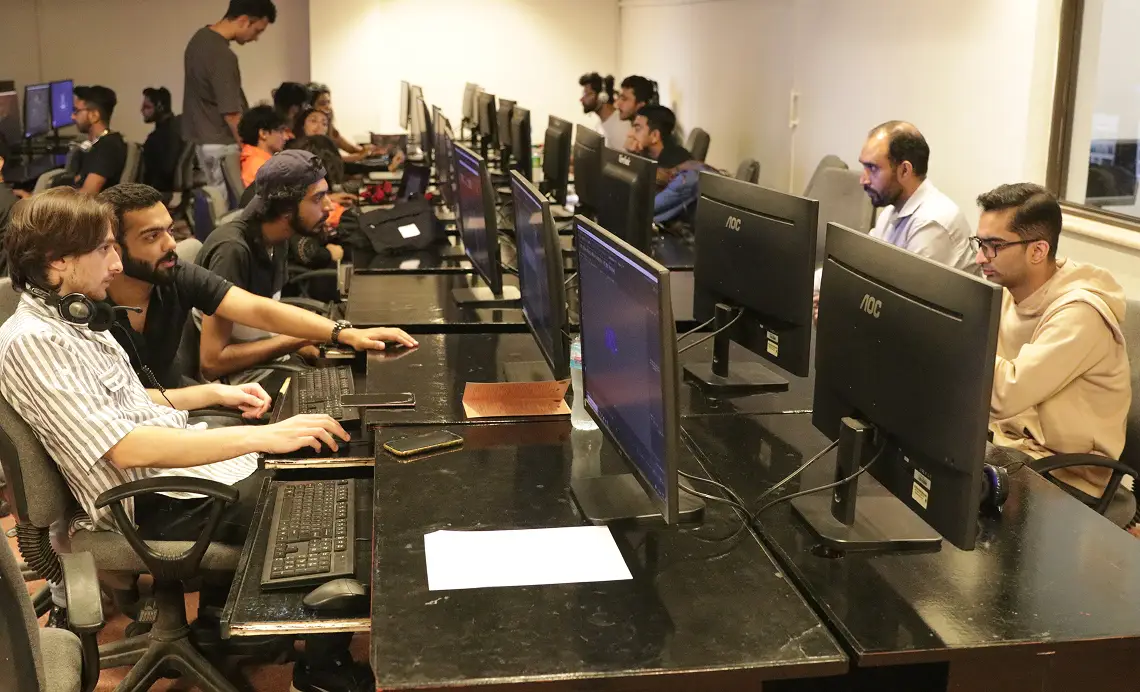
The conference programme combined participatory workshops, symposium sessions, exhibitions, and film screenings, fostering an environment where creative practice and intellectual inquiry intersected meaningfully.
Meaningful Dialogue Across Disciplines
The symposium and panel discussions featured leading voices from academia, policy, law, activism, and the arts, including Moeed Yusuf, Rashid Rana, David Anderson Hooker, Abdul Waris, and Asif Ali Khan, alongside lawyers, advocates, and activists including Asma Khawar Khawaja, Marium Shah, Abuzar Madhu, Namra Khalid, Fatima Naufil, and Javeria Masud.
The discussions highlighted the interconnectedness of climate policy, social justice, displacement, representation, and human rights, encouraging participants to rethink conventional approaches to sustainability and development.
Eco Echo Exhibition Sparks Critical Reflection
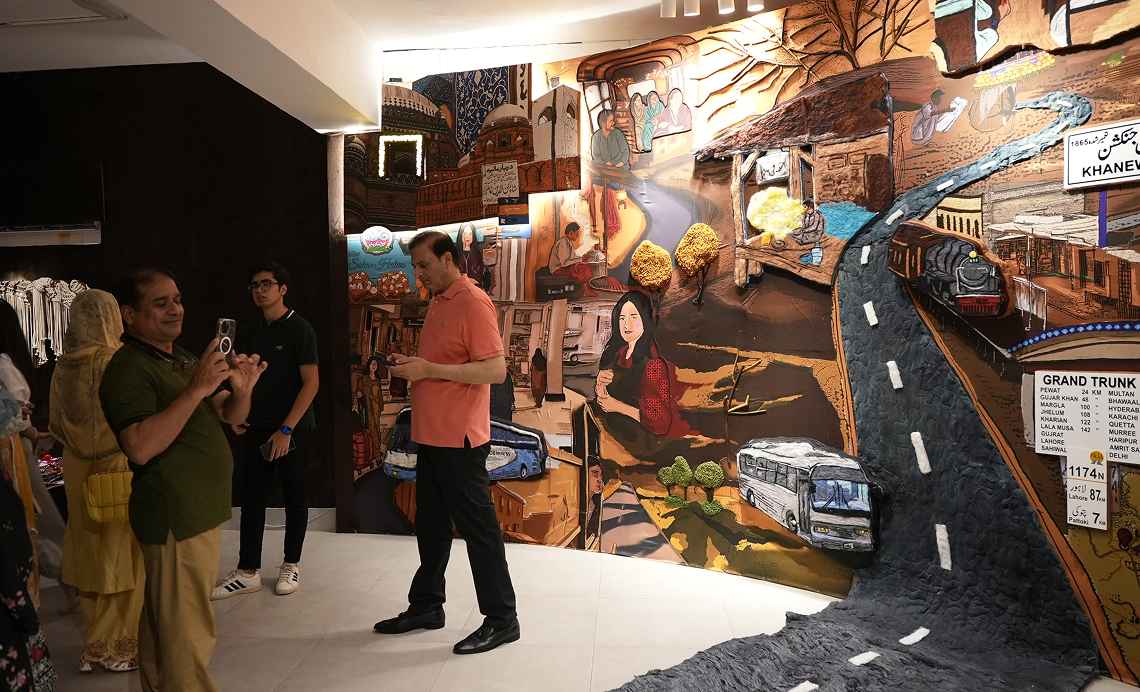
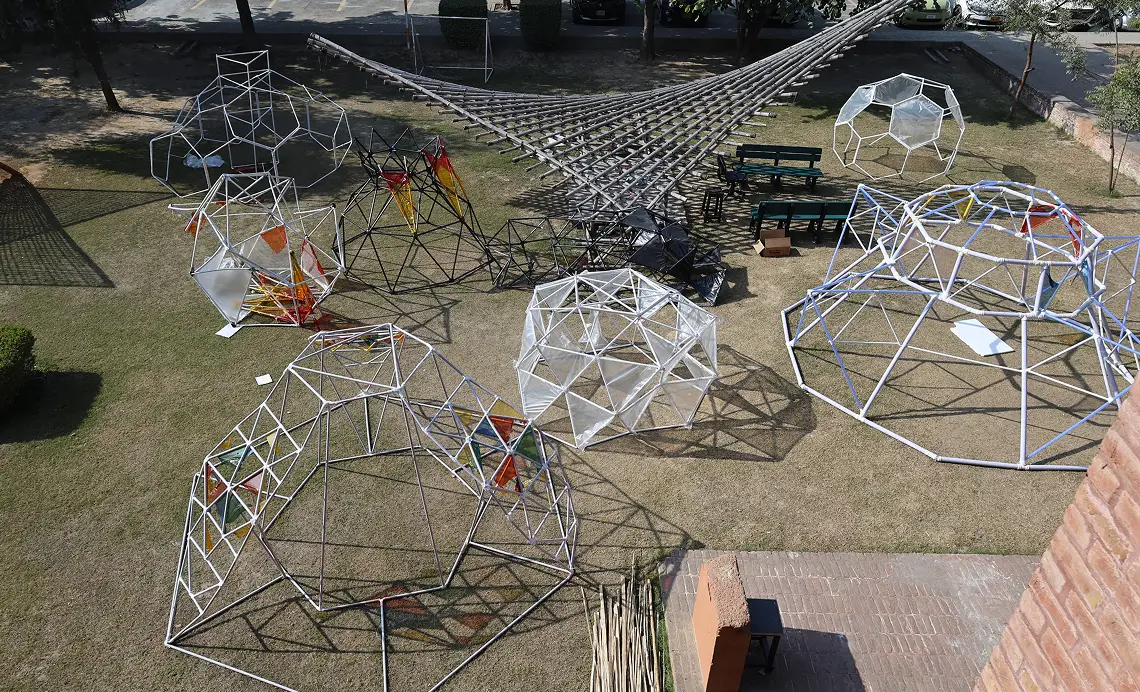
One of the central highlights of the conference was Eco Echo, an exhibition curated by Rashid Rana and Risham Syed. Featuring works that explored the relationship between environmental degradation and historical systems of extraction and inequality, the exhibition invited audiences to consider how art, architecture, design, and ancestral knowledge can challenge dominant global power structures.
By situating climate discourse within cultural and historical contexts, the exhibition demonstrated the power of creative practice as a catalyst for awareness, dialogue, and social transformation.
Building Lasting Impact Through Collaboration and Knowledge Exchange
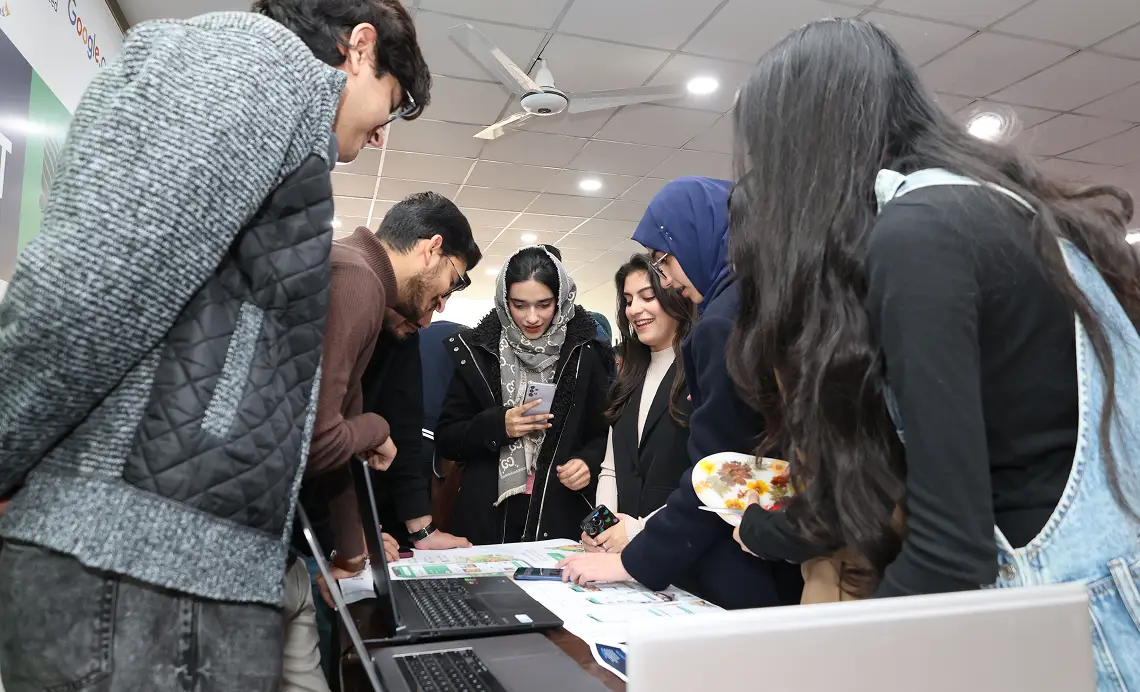
Beyond academic discussion, the conference fostered collaboration through participatory workshops and networking sessions that encouraged knowledge-sharing across disciplines and communities. These interactions created opportunities for future partnerships, research initiatives, and artistic collaborations centred on climate justice and inclusion.
The screening of Natari and the subsequent post-screening discussion further expanded conversations around environmental storytelling, collective memory, and the human dimensions of climate change.
Strengthening BNU's Commitment to Socially Engaged Practice
The Climate Coloniality Conference 2026 reinforced SVAD's commitment to interdisciplinary learning, critical inquiry, and socially engaged artistic practice. Through initiatives such as this, Beaconhouse National University continues to create spaces where pressing global challenges are examined through diverse perspectives and collaborative engagement.
As climate conversations increasingly shape political, cultural, and academic discourse worldwide, the conference demonstrated the importance of centering perspectives from the Global South in building more just, inclusive, and sustainable futures.