
What It Takes to Become a WWF EcoSmart Campus: Lessons from BNU
Nov, 19 2025
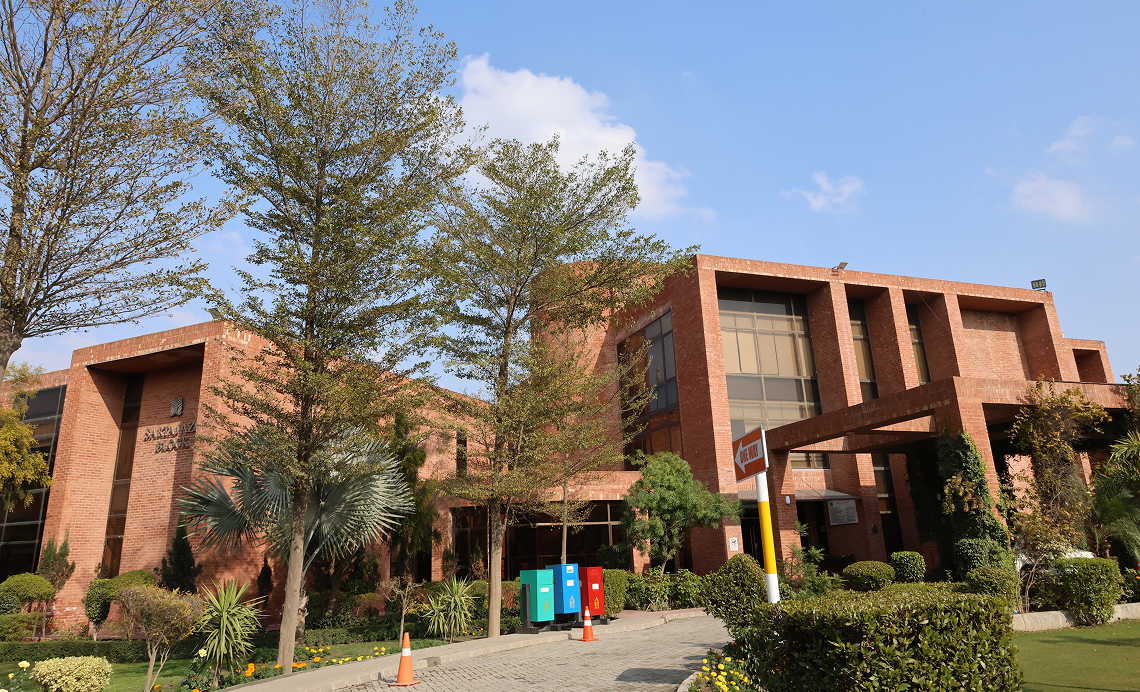
Becoming a sustainable university isn’t just about planting a few trees or putting up recycling bins — it requires vision, commitment, and a campus-wide shift in how things are done. And Beaconhouse National University (BNU) has just proven that it can be done.
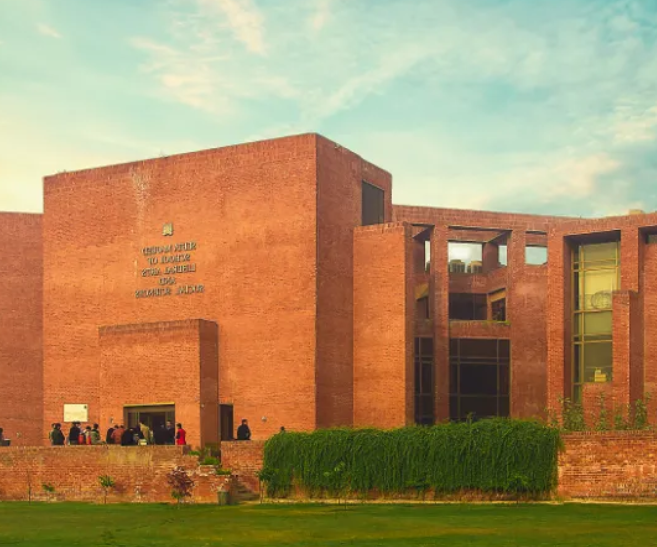
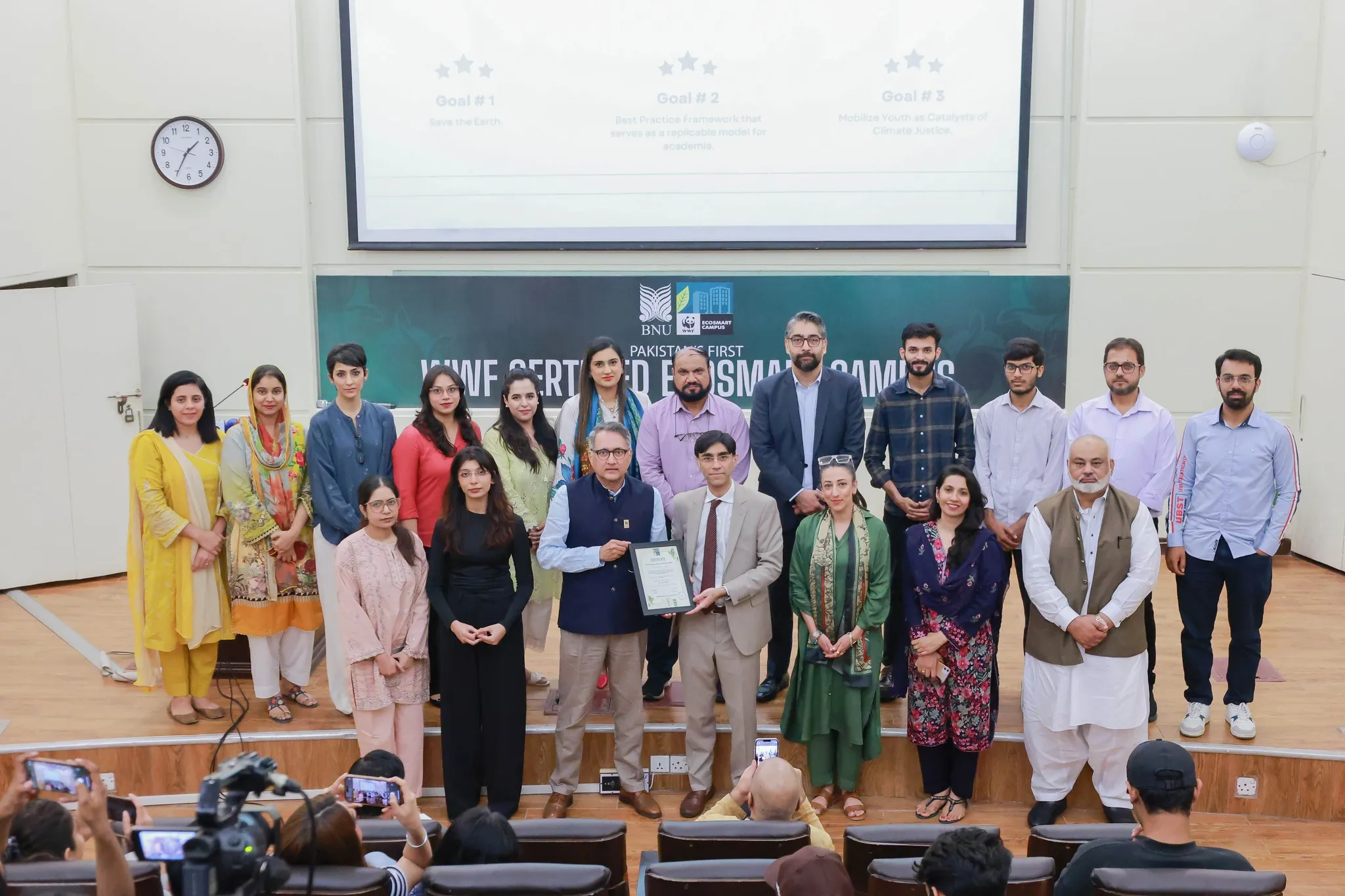
BNU has officially made history as Pakistan’s first university to receive the WWF-Pakistan EcoSmart Campus certification — a prestigious recognition awarded after a thorough evaluation of its sustainability practices.
This achievement isn’t just a win for BNU; it’s a roadmap for every university in Pakistan wondering what a truly “green campus” looks like in practice. From resource efficiency and waste reduction to environmental awareness and renewable-energy-friendly operations, BNU’s journey offers practical lessons — and a dose of inspiration — for institutions looking to make a meaningful environmental impact.
Why the EcoSmart Campus Certification Matters
The EcoSmart Campus certification by WWF-Pakistan isn’t just a badge — it’s visible proof of 360-degree commitment to sustainability in a university setting. The certification was awarded after a rigorous evaluation of initiatives across: resource efficiency, waste reduction, renewable energy adoption, biodiversity conservation and environmental awareness.
By becoming the first university in Pakistan to achieve this, BNU sets a benchmark — not just for itself, but for higher education institutions nationwide that aspire to become green campuses.
The Roadmap: Six Key Steps (and what BNU did)
Here’s a breakdown of what it takes — and how BNU has already delivered.
Audit and baseline of resource use
Before any green transformation, you need to know where you stand. Universities must assess energy consumption (electricity, HVAC), water usage, waste streams (paper, plastics, food), and even transportation. BNU’s certification was based on a rigorous evaluation across resource efficiency.
Waste reduction and management
Reducing waste isn’t just about putting out more bins — it’s about redesigning how a campus works. That means setting up systems to separate and divert recyclables, compost organic waste, and cut down single-use plastics wherever possible. For a university in Pakistan, this often starts with the cafeteria: rethinking packaging, portion sizes, and disposal points, while also building awareness among staff and students so the “right” choice becomes the easy choice. Within the EcoSmart framework, waste reduction is not treated as a side project; it’s a core pillar that hinges on both infrastructure and behavioural change across the entire campus community.
Renewable energy adoption
A green campus must shift from “business as usual” energy to more sustainable sources. Solar panels, efficient lighting systems, building management systems that reduce idle consumption — these are all in view. By achieving EcoSmart status, BNU reinforced its commitment to renewable-energy-friendly practices.
Water efficiency and ecological conservation
In Pakistan’s climate, water is a key resource. A campus aiming for sustainability must implement water-saving fixtures, rainwater harvesting where possible, landscaping with native species, and biodiversity zones. BNU’s commitment to climate resilience and stewardship included these.
Environmental awareness, culture change, and governance
Even the best technical systems won’t deliver if students, faculty and staff aren’t aligned. Governance structures, sustainability committees, student-led green initiatives, curriculum tie-ins — all of these feed into the EcoSmart certification. BNU’s certification explicitly recognizes its environmental awareness components.
Monitoring, reporting and continuous improvement
Sustainability is not a one-time win. A certified campus must monitor progress, report publicly, update goals, and improve continuously. The EcoSmart framework emphasizes this ongoing cycle of improvement.
What Other Universities in Pakistan Can Learn from BNU
- Start small, scale smart: You don’t need 100% solar from day one. But you do need to show tangible steps (e.g., switching to LED lighting in one building, composting cafeteria waste).
- Make it visible: Sustainability initiatives must be seen across campus — dual-trash bins, awareness signage, student ambassadors. Visible cues accelerate the culture shift.
- Engage the whole ecosystem: Stop thinking only of the buildings. Involve canteens, residences/hostels, transport, landscaping, and labs.
- Embed it in institutional governance: Sustainability should reside at senior decision-making levels (e.g., vice-chancellor, sustainability office) so it’s not an afterthought.
- Use certification as momentum: The EcoSmart badge brings external recognition and credibility — which can help with fundraising, partnerships, and student attraction.
- Monitor and tell your story: Share progress publicly (campus website, newsletters, social media) and use it as a teaching tool for students and the community.
Why This Matters for Pakistan’s Universities
Pakistan faces escalating environmental challenges: energy stress, water scarcity, increasing waste, and climate change impacts. Universities serve not only as places of learning, but as micro-cities with operations, infrastructure and influence. Transitioning to a green campus model helps reduce operational costs, mitigate environmental impact, and teach future leaders by example.
With BNU leading the way, we now have domestically relevant proof that the global sustainability agenda can be integrated into Pakistani higher education. The phrase “sustainable university operations Pakistan” is no longer aspirational — it’s actionable.
BNU’s journey illustrates that with clear audit and planning, targeted interventions across energy, water, waste, culture and governance, and ongoing monitoring, any university in Pakistan can chart the path to sustainability.
Frequently Asked Questions (FAQs)
What is the WWF EcoSmart Campus certification?
It is a certification programme by WWF-Pakistan that recognizes tertiary institutions that demonstrate excellence in resource efficiency, waste reduction, renewable energy adoption, biodiversity conservation and environmental awareness.
How long does it take to become certified?
The timeline varies depending on the starting point of the campus, the scale of interventions, and the readiness of governance and culture. It starts with an audit, followed by action plans and likely extends over months or years before certification.
Can smaller universities or colleges in Pakistan aim for this certification?
Yes — regardless of size, any higher-education institution can adopt the key steps: baseline audits, targeted waste/energy/water initiatives, culture-change programmes and monitoring. Certification is about impact and commitment, not only scale.
What are quick wins for universities starting this journey?
Some faster interventions include converting to LED lighting, installing sensor-based taps or toilets, setting up recycling stations, launching awareness campaigns, promoting car-pooling or cycling on campus, and implementing simple landscaping with native plants.